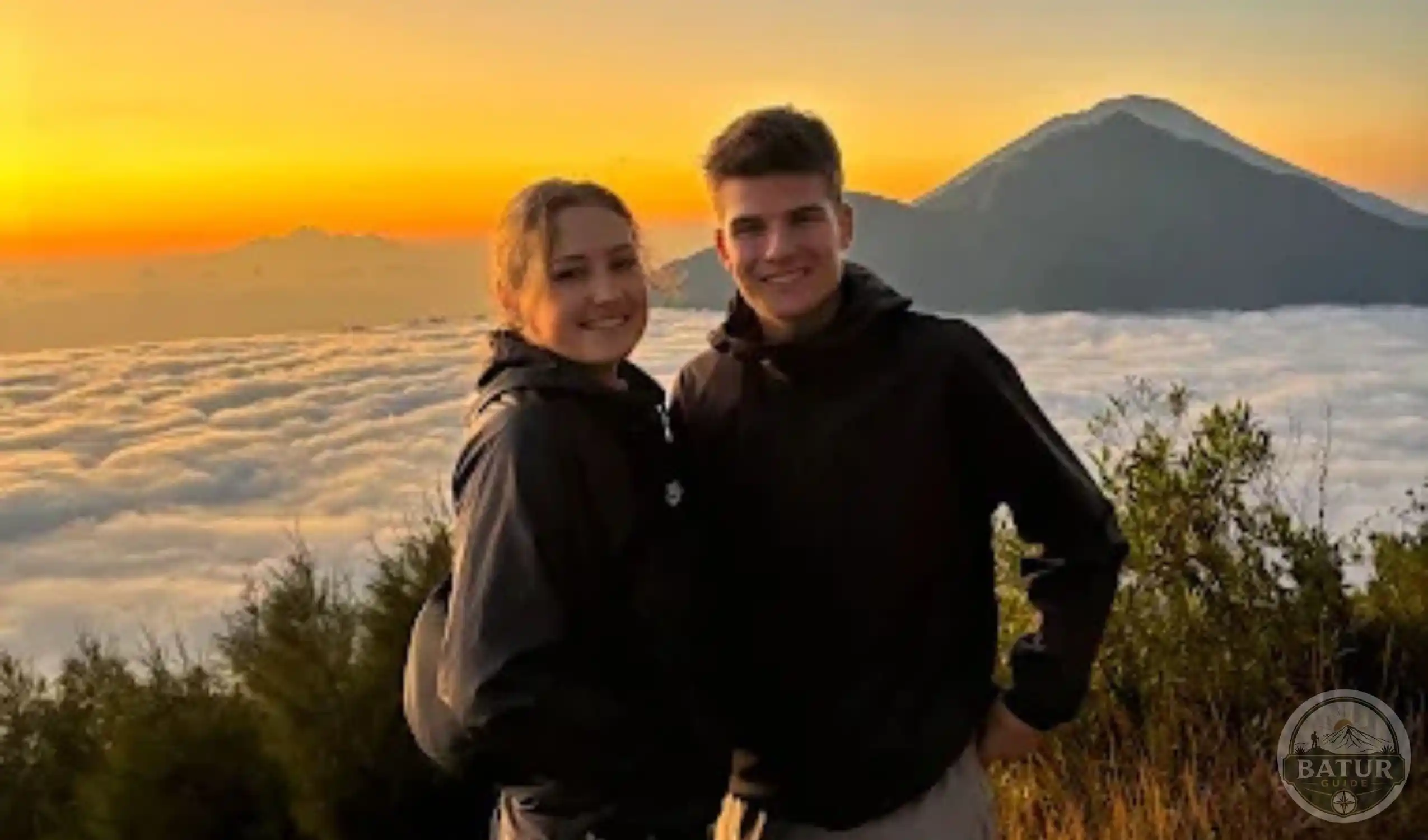
Mount Batur Trekking Difficulty explained with honest trail details, fitness advice, beginner tips, and guidance for planning your Bali sunrise adventure.
How Difficult Is Mount Batur Trekking?
Mount Batur Trekking Difficulty is generally moderate for travelers with reasonable fitness, although the climb can feel challenging for people who rarely exercise.
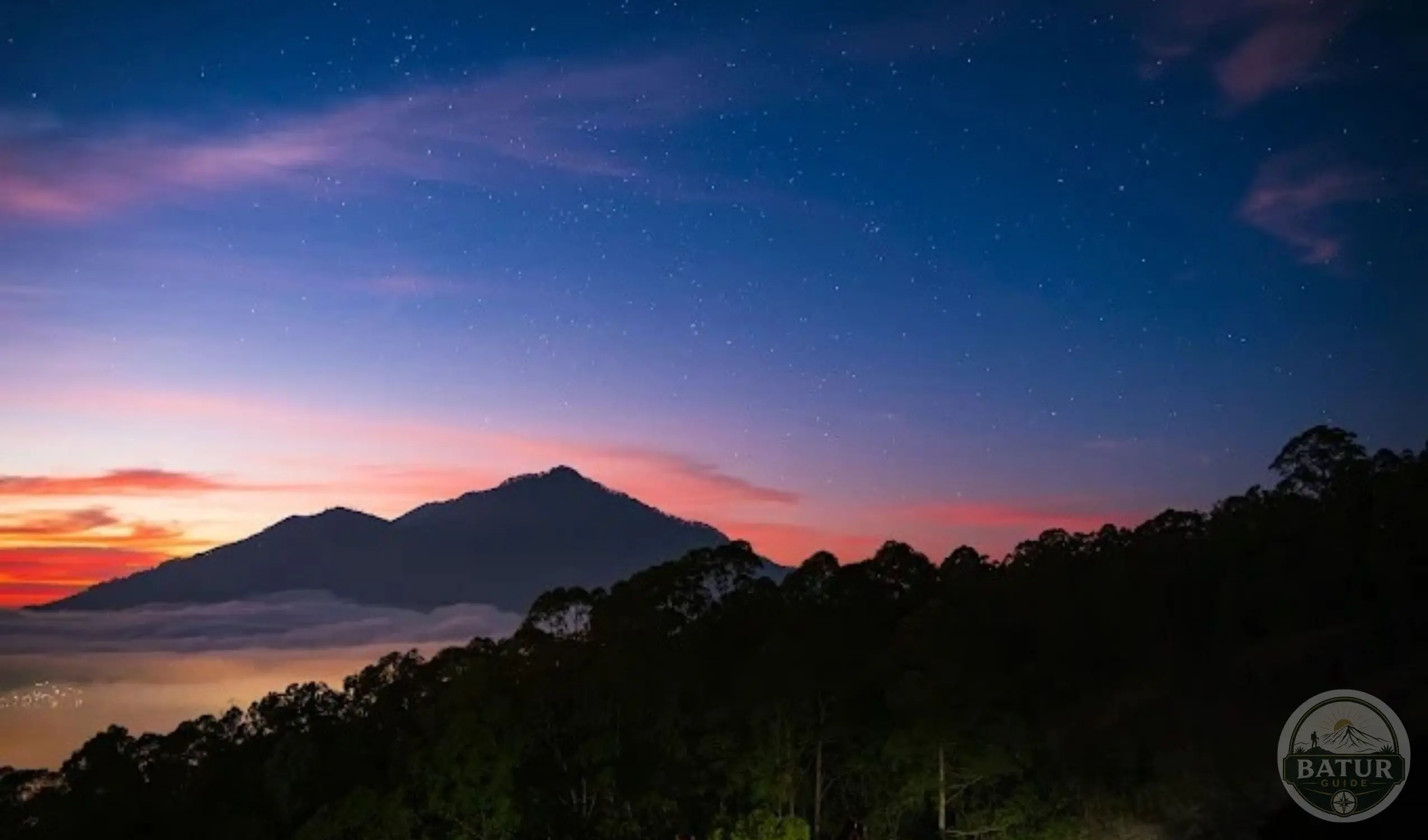
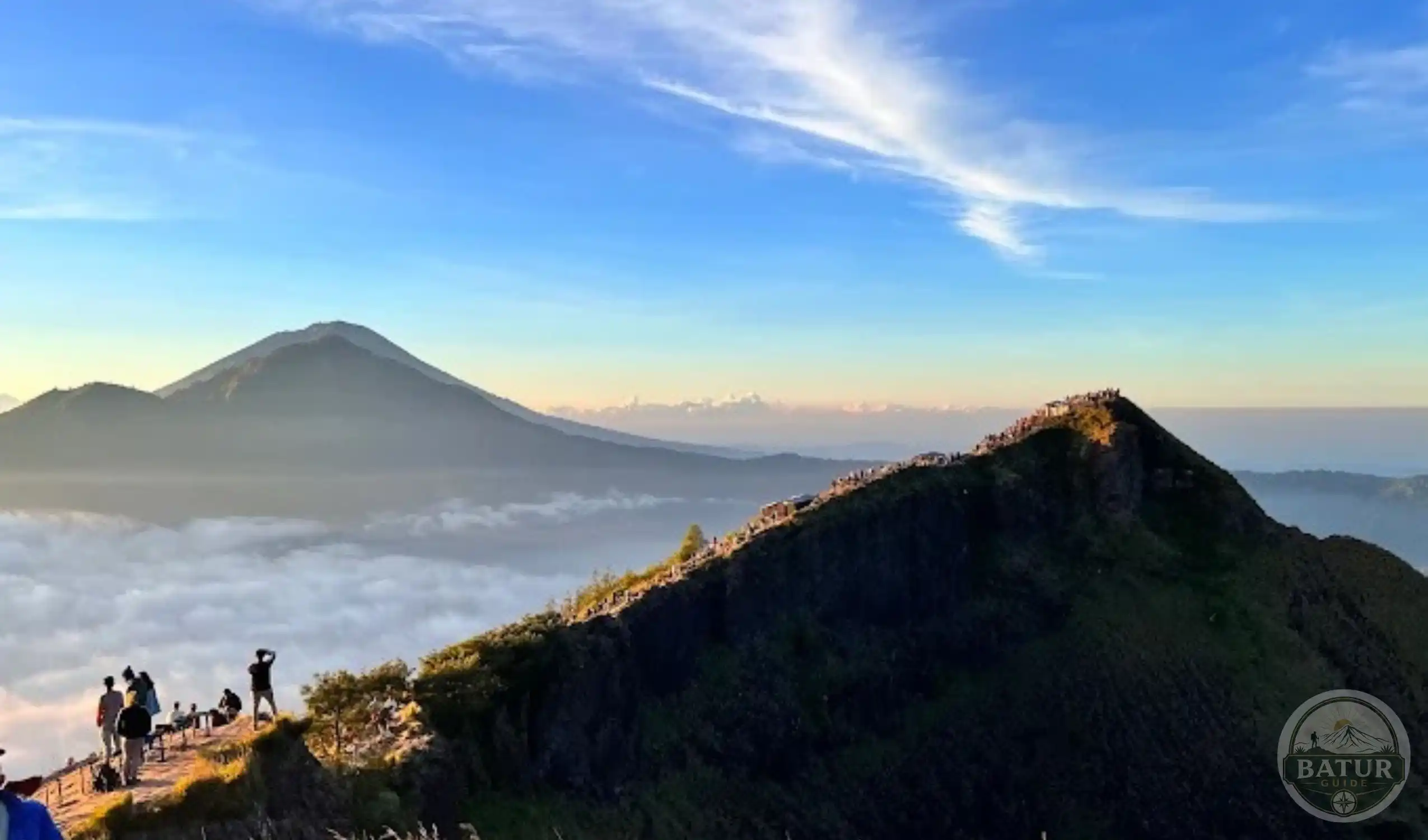
The popular sunrise route takes you up a volcanic slope in the early hours, often in darkness, before rewarding you with sweeping views across Bali as the sky brightens.
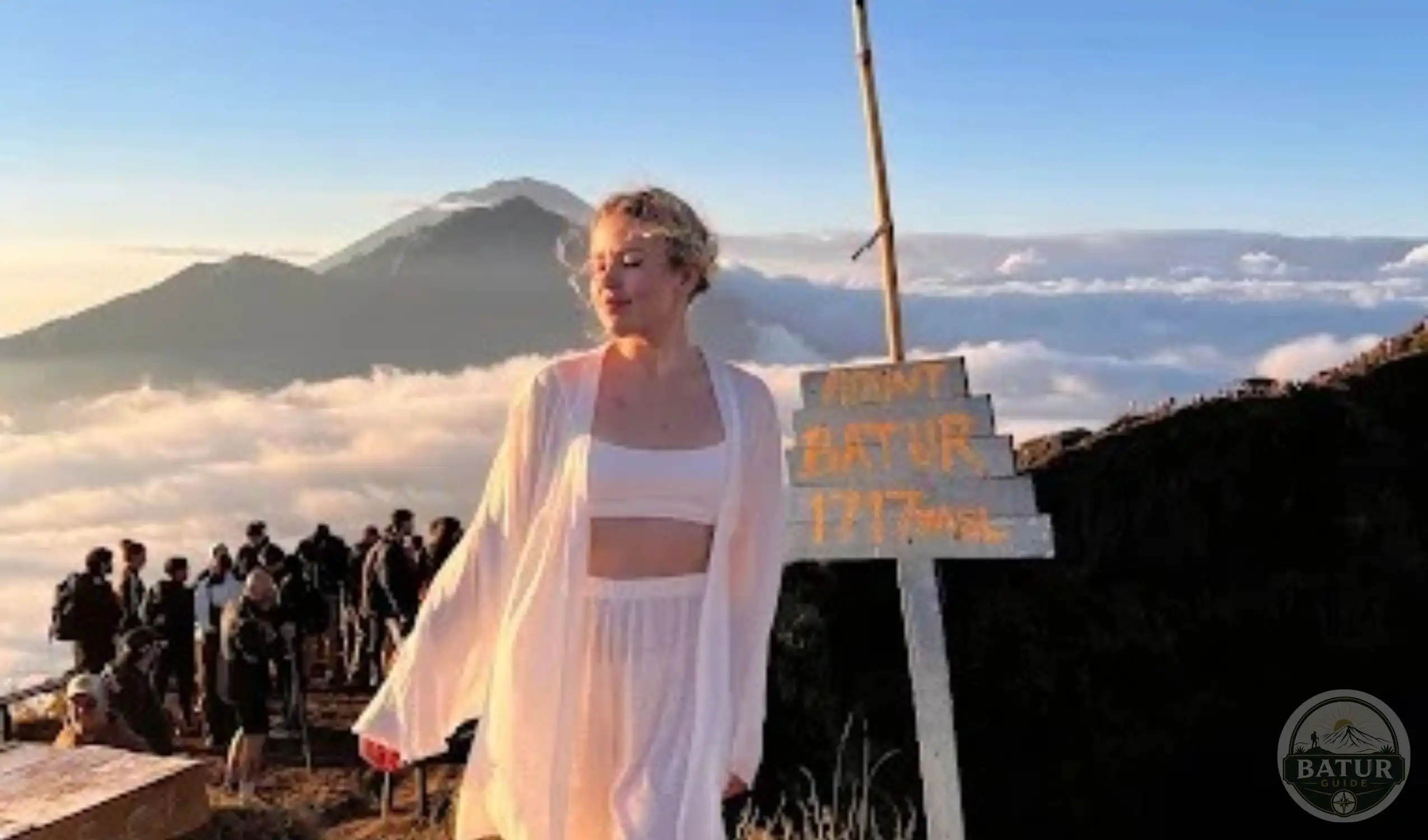
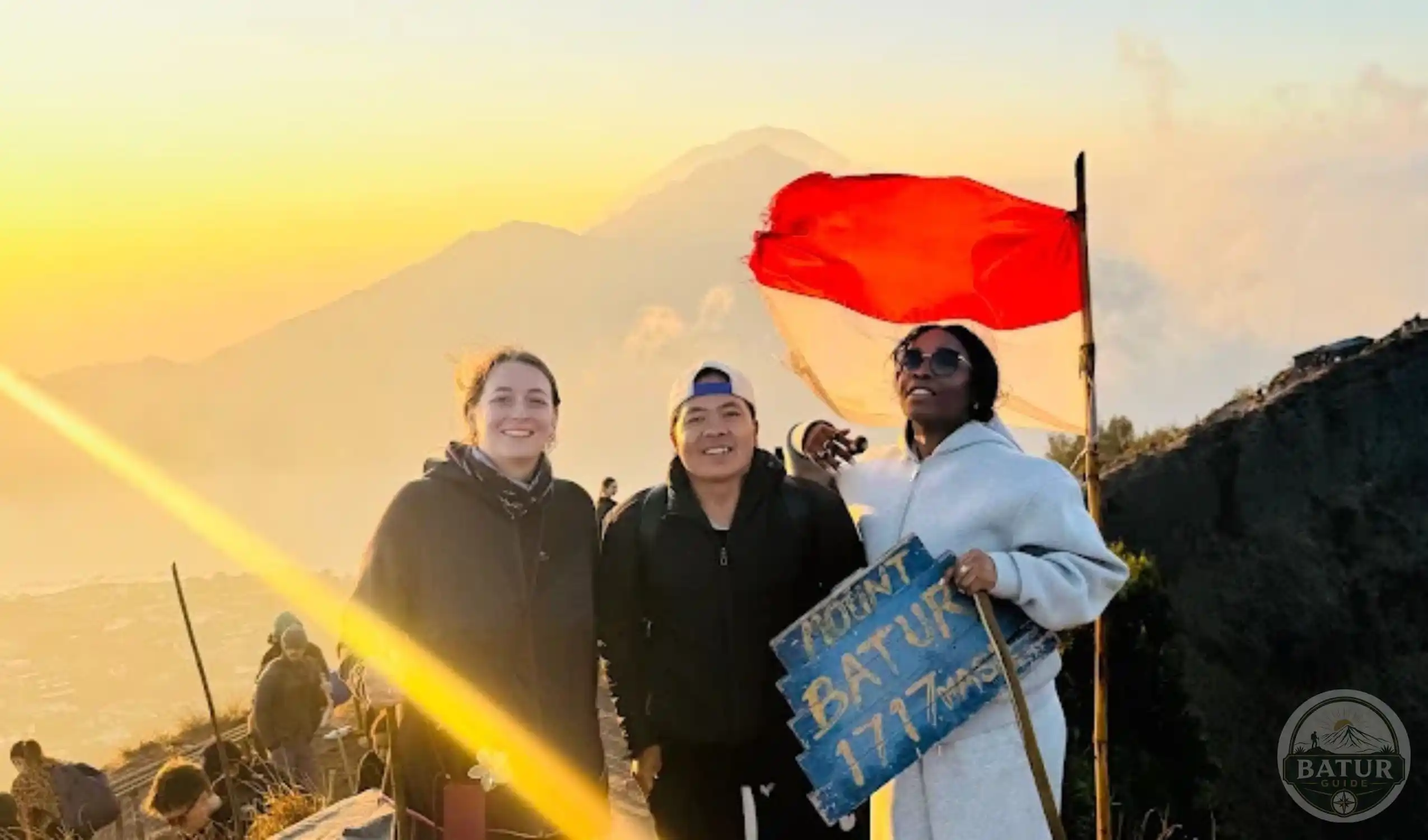
Mount Batur stands at approximately 1,717 meters above sea level. However, its elevation alone does not determine how difficult the hike feels.
The gradient, loose volcanic gravel, uneven rocks, cool morning air, and sustained uphill walking all influence the experience.
For many first time hikers, the mountain offers a manageable introduction to trekking. You do not normally need advanced mountaineering skills or technical climbing equipment for the standard route. Nevertheless, you should expect a genuine physical challenge rather than a casual walk.
The most important point is that the climb tests your stamina, balance, and patience more than your technical ability.
If you prepare properly, wear suitable shoes, and follow a sensible pace, you can approach the experience with greater confidence.
Mount Batur Trekking Difficulty at a Glance
The standard sunrise trek usually falls within the easy to moderate or moderate range, depending on the route, weather, and your personal fitness.
Local conservation guidance has also classified Mount Batur’s routes within easy to moderate grading categories. Therefore, beginners can consider this mountain, provided they understand the physical demands before departure.
Here is what you can generally expect on a typical sunrise trek.
Overall difficulty Moderate for many reasonably active travelers.
Uphill walking time Approximately 1.5 to 2.5 hours, depending on the route and pace.
Descent time Commonly around 1 to 2 hours, although steep or slippery sections may take longer.
Trail surface Volcanic sand, loose gravel, compacted earth, and uneven rocks.
Technical climbing The standard route generally does not require ropes or specialist climbing skills.
Fitness requirement Basic to moderate cardiovascular fitness, comfortable uphill walking, and sufficient balance.
Best preparation Practice walking uphill, use supportive footwear, carry water, and follow your guide’s instructions.
These figures are useful planning estimates rather than guarantees. Different starting points can change the elevation gain and total walking distance. In addition, rain, crowding, and rest breaks can affect how long you spend on the mountain.
What Makes the Mount Batur Trail Challenging?
Steady uphill walking
The first major challenge is the sustained ascent. Instead of walking along a flat path, you climb continuously toward higher ground. Your calves, thighs, and glutes work harder as the slope rises, while your breathing becomes faster.
At first, the trail may feel manageable. However, the effort gradually accumulates, especially if you start too quickly. Travelers who try to keep up with faster hikers often tire before reaching the upper slope.
A steady pace works better than rushing. Take short breaks when necessary, drink water regularly, and allow your breathing to settle before continuing. You do not need to reach the summit first to enjoy the experience.
Loose volcanic gravel and sand
Mount Batur’s volcanic landscape creates another challenge. Some sections contain loose gravel, coarse sand, and small rocks that move beneath your feet. As a result, every step may require more balance than walking on a paved road.
During the ascent, the loose surface can make progress feel slower. You might place a foot forward only to feel the gravel shift slightly beneath it. On the descent, the same surface can cause your shoes to slide if you take long or hurried steps.
Choose closed footwear with dependable traction. Short steps, a balanced posture, and careful foot placement can make a noticeable difference. Your guide can also advise you when a section requires extra attention.
Steeper sections near the upper slope
The trail does not feel equally difficult from beginning to end. Some lower sections allow you to settle into a rhythm, while the upper slope may demand more effort as you approach the crater area.
At this stage, tired legs can make even a short incline feel demanding. Loose volcanic material may also require you to slow down and pay closer attention to your footing.
Do not interpret a slower pace as failure. The mountain rewards patience, not speed. If you need a brief rest, communicate with your guide rather than forcing yourself to continue at an uncomfortable pace.
Walking before sunrise
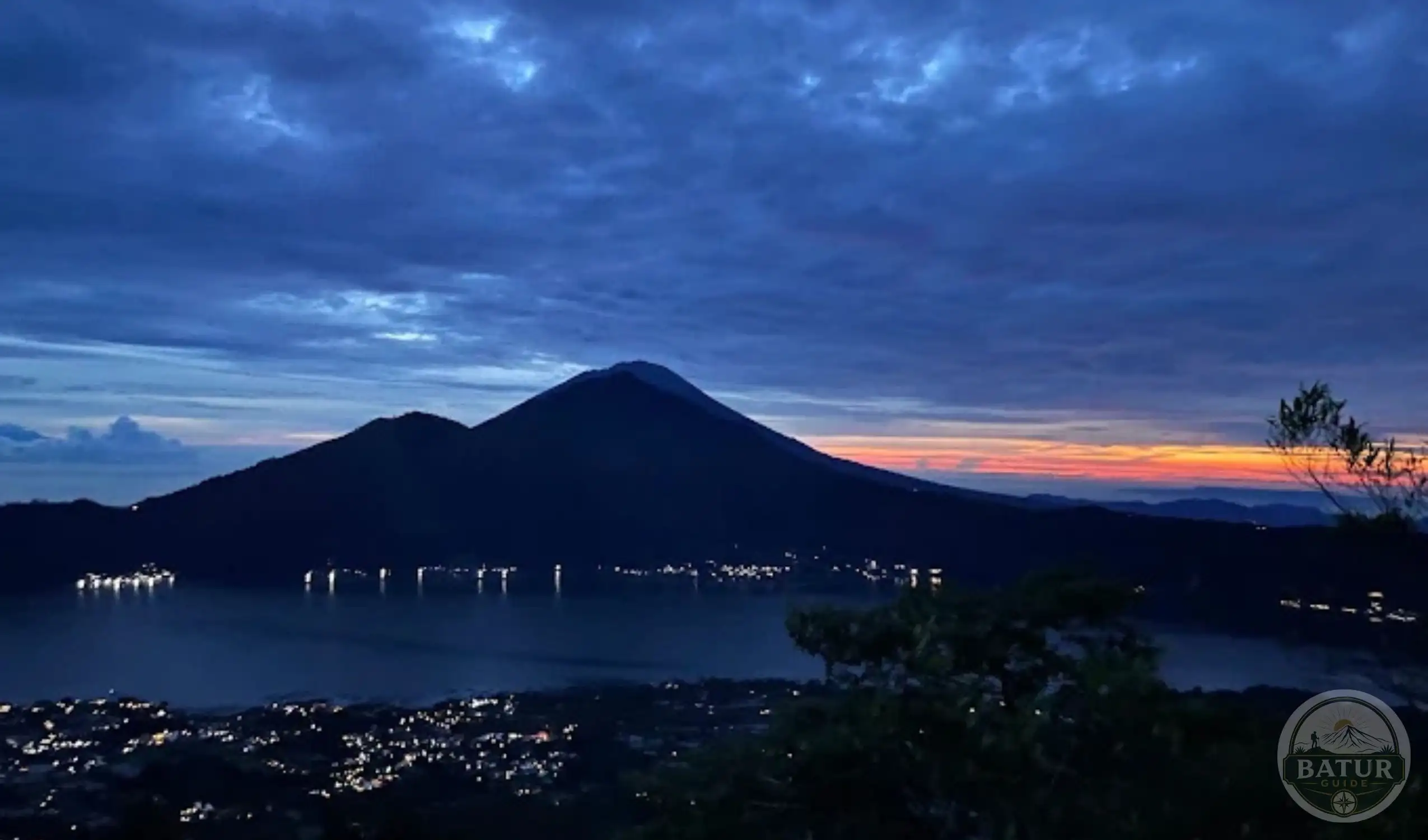
A sunrise trek usually begins during the night, so darkness becomes part of the challenge. You may have to concentrate on the trail while your body still feels sleepy, particularly if you have spent the previous evening exploring Bali.
A reliable light source helps you see where you place your feet. An experienced local guide also helps with route awareness and pacing.
Avoid walking too close to another person’s heels, because the person ahead may stop suddenly or shift direction around a rock.
The early start can feel demanding, but it also creates the experience many travelers come for. As the sky changes color, the landscape gradually appears around you, making the effort feel worthwhile.
The descent can surprise beginners
Many hikers assume the hardest part ends when they reach the summit. In reality, walking down requires a different type of effort. Your legs may already feel tired, and loose gravel can make it harder to maintain balance.
The descent can also place considerable strain on your knees, particularly when you take long steps or lean too far backward. Keep your steps controlled, avoid rushing, and use walking poles if your guide recommends them.
Save some energy for the return journey. Reaching the summit is an important milestone, but completing the descent carefully is equally important.
Is Mount Batur Trekking Suitable for Beginners?
Yes, Mount Batur can suit beginners who have reasonable general fitness and are comfortable walking uphill for an extended period. You do not necessarily need previous mountain trekking experience to attempt the standard route.
However, beginner friendly does not mean effortless. A person who regularly walks, climbs stairs, or exercises may find the route more manageable than someone who spends most days sitting and rarely engages in physical activity.
If this is your first trek, focus on understanding the terrain rather than worrying about your ability to keep up with experienced hikers. Everyone has a different pace, and a responsible guide should take your condition into account.
Before booking, read our practical guide to Mount Batur trekking for beginners. It can help you understand what to expect, how to prepare, and which details to consider before choosing your trip.
If you rarely exercise
The trek may feel strenuous if you are not used to physical activity. You might need more frequent breaks, especially during the steeper sections.
Start preparing several weeks before your trip if possible. Regular walks, stair climbing, and gentle uphill exercise can help your body adapt. Increase your activity gradually rather than attempting an exhausting workout immediately before your holiday.
You should also be honest about any physical limitations when discussing the trek with your booking provider. That conversation can help you decide whether the route suits your current abilities.
If you already walk or exercise regularly
You may find the standard route more manageable if you regularly walk, cycle, swim, or perform other forms of cardiovascular exercise. Nevertheless, mountain terrain presents different demands from a gym workout or a flat road.
Loose ground requires balance, while continuous climbing works specific muscle groups for an extended period. Therefore, even fit travelers should maintain a controlled pace and prepare for the descent.
If you are traveling with family
Families should consider each participant’s stamina, age, coordination, and comfort with early mornings. A child or older relative may need a slower pace and more breaks than other members of the group.
Discuss these needs before booking. Do not assume that everyone will find the same route equally comfortable simply because they are traveling together.
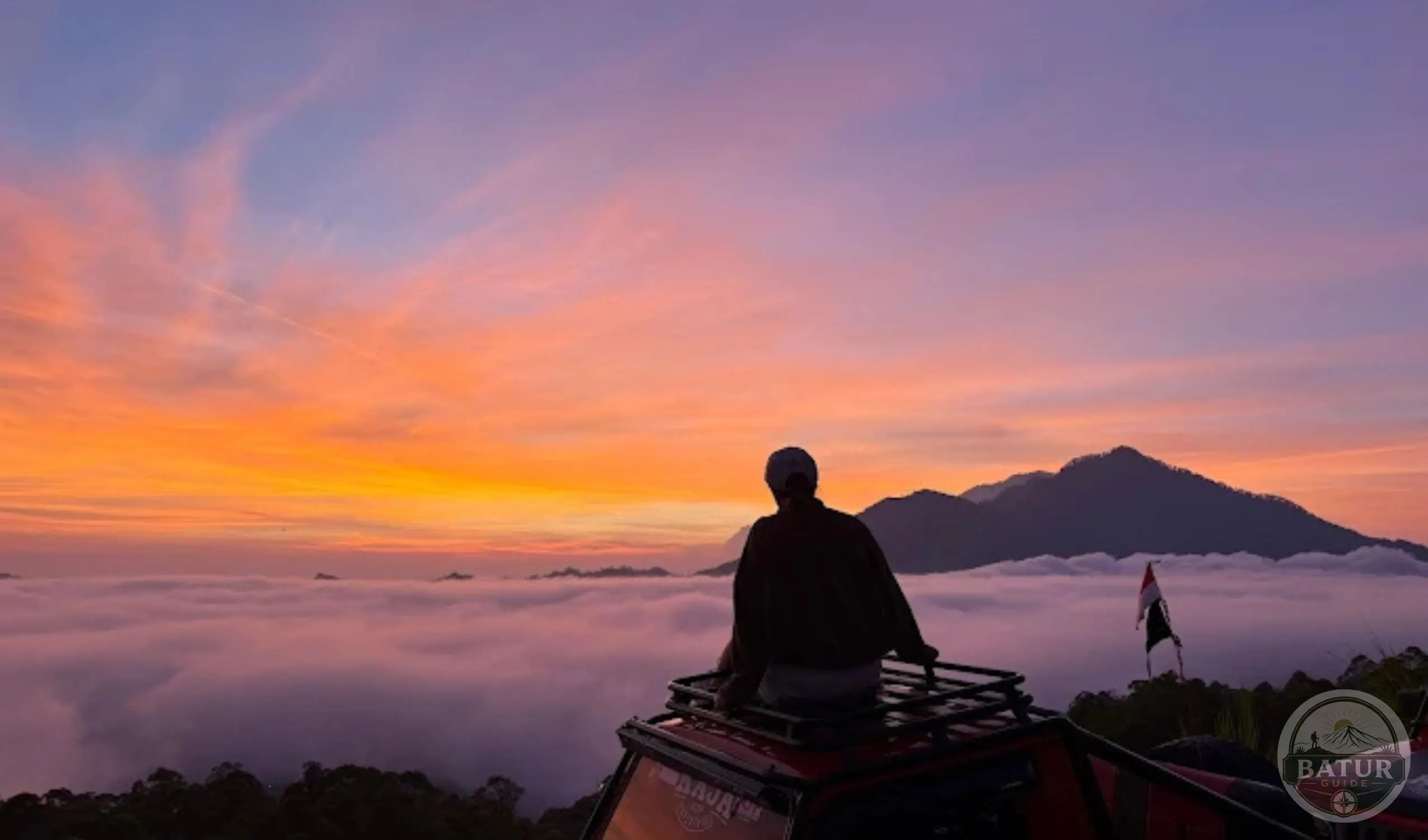
For family members who are not comfortable with a sustained uphill climb, a sunrise jeep experience may provide an alternative way to enjoy Mount Batur’s landscape. Compare the options carefully before deciding which experience best suits your group.
How Fit Do You Need to Be for Mount Batur?
You do not need to be an athlete, but a reasonable level of fitness makes the experience more comfortable. The most useful preparation combines endurance, leg strength, balance, and familiarity with uphill movement.
A practical way to assess your readiness is to consider how you handle everyday physical activities. Can you walk briskly for an extended period? Can you climb several flights of stairs without needing to stop repeatedly? Are you comfortable being active for several hours, including a descent over uneven ground?
If these activities already feel extremely difficult, the trek may require additional preparation. That does not mean you must give up immediately. Instead, use your current fitness as a starting point and build gradually.
Build endurance through regular walking
Begin with walks at a comfortable pace and gradually increase the duration. When that feels manageable, introduce gentle slopes or stair climbing to simulate the sustained effort of the ascent.
Consistency matters more than a single intense workout. Regular activity helps you develop endurance without leaving your legs exhausted immediately before your holiday.
Strengthen your legs
Squats, step ups, and controlled lunges can help develop the muscles used during uphill walking and descent. Start with movements that match your ability and focus on good technique.
You do not need an elaborate training program. A balanced routine that combines walking and simple strength exercises can provide useful preparation.
Practice balance and controlled movement
Walking on uneven ground requires more coordination than walking on a smooth surface. If appropriate, practice on safe, gentle trails or uneven walking paths before your trip.
Learn to take shorter steps and maintain a stable posture. These habits can help you feel more comfortable when the volcanic gravel shifts underfoot.
Rest before the trek
Preparation also includes recovery. Avoid exhausting exercise immediately before your scheduled climb, and try to get sufficient sleep before the early pickup.
A sunrise trek can involve waking around midnight or during the early morning, depending on your location and itinerary. Although you cannot always obtain a full night’s sleep, arriving rested can make the experience more manageable.
Mount Batur Trekking Difficulty From Ubud
The Mount Batur trekking difficulty from Ubud depends mainly on the trail itself and your physical condition. However, travelers departing from Ubud must also account for the drive to Kintamani and the early start.
The road journey commonly takes around 1 to 1.5 hours, although traffic, pickup location, and road conditions can change the travel time. For a sunrise experience, your morning may begin well before dawn.
This combination can make the day feel more demanding than the climb alone. You may feel sleepy when you arrive, and the return journey can seem long after several hours of walking.
Plan your evening accordingly. Avoid scheduling an exhausting activity immediately before the trek, prepare your clothing and water in advance, and confirm your pickup arrangements with the operator.
For a clearer overview of the journey, explore our guide to Mount Batur trekking from Ubud. It helps you consider the transfer alongside the physical demands of the climb.
Mount Batur hiking difficulty from Ubud
The Mount Batur hiking difficulty from Ubud does not automatically increase because you start in Ubud. The mountain trail remains the main physical challenge. However, the additional driving and reduced sleep can affect your energy levels.
If you know that early mornings are difficult for you, prepare your belongings the previous evening and keep your schedule simple. Eat a suitable meal beforehand if your itinerary allows it, and follow your guide’s advice about hydration and snacks.
Mount Batur trek difficulty from Ubud
The Mount Batur trek difficulty from Ubud also depends on which trailhead your operator uses. Different routes can involve different distances, gradients, and walking times.
Ask the provider to clarify the planned starting point, expected duration, and approximate return time. That information is more useful than relying on a general difficulty label alone.
Mount Batur hike difficulty from Ubud
The Mount Batur hike difficulty from Ubud can feel more manageable when you choose a suitable pace and prepare for the conditions. If you are new to trekking, tell your guide before the climb begins.
A well planned itinerary should give you a realistic idea of the physical effort involved, rather than promising an effortless experience. Clear communication helps you make a better decision before committing to the trip.
Does Weather Affect Mount Batur Trekking Difficulty?
Yes. Weather can change both the comfort and the safety of the trek. Dry conditions may still leave loose volcanic gravel underfoot, while rain can make parts of the route more slippery.
Cloud, wind, and low visibility can also affect the experience at higher elevations. Bali’s coastal areas may feel warm while the mountain feels considerably cooler before sunrise.
Wear layers that you can adjust as your body warms during the climb. Choose footwear with good grip, and follow local guidance when the trail conditions change.
If heavy rain or other unsafe conditions develop, your guide or operator may need to delay or cancel the trek. Although missing a sunrise can feel disappointing, no view is worth taking unnecessary risks.
Mount Batur is an active volcano, so access conditions can also change in response to official volcanic monitoring. Check current guidance before departure and respect any restrictions issued by the relevant authorities.
For more practical advice, read our Mount Batur trekking safety guide. It explains how trail conditions, preparation, and local instructions contribute to a more responsible mountain experience.
What Should You Wear and Bring?
Suitable clothing and equipment will not remove every challenge, but they can make the trek more comfortable.
Wear closed shoes with good traction. Hiking shoes are useful, although sturdy athletic shoes with dependable grip may work for some travelers on suitable conditions. Avoid flip flops and smooth soled footwear because loose volcanic ground requires stable footing.
Bring a warm outer layer for the pre sunrise hours. You may feel cold while standing still at the summit, even after sweating during the ascent. Clothing that you can remove or add as conditions change offers more flexibility.
Carry enough drinking water for your needs and the expected duration. A small snack may also help if your itinerary allows it. Keep your belongings light, since carrying unnecessary items can make the climb less comfortable.
A headlamp or suitable torch helps you see the trail before daylight. Confirm whether your trekking package provides lighting, and check that your device works before leaving your accommodation.
You can find more preparation advice in our Mount Batur sunrise hike packing guide. Preparing these basics in advance reduces last minute stress and helps you focus on the experience.
How Long Does the Difficult Part Last?
The most demanding part is usually the sustained uphill section, especially when the trail becomes steeper or the surface gets looser. Many hikers spend around 1.5 to 2.5 hours ascending, but the exact duration depends on the route, rest breaks, and individual pace.
The summit provides an opportunity to rest and enjoy the scenery, but you should not treat it as the end of the physical effort. The descent still requires attention and energy.
Your total outing also includes the transfer, briefing, walking time, summit stop, and return journey. Travelers leaving from Ubud should therefore plan for a substantial early morning activity rather than a short excursion.
For more details about the overall schedule, see our guide to Mount Batur duration. Understanding the full timeline helps you plan meals, transport, and other activities for the day.
Common Mistakes That Make the Trek Harder
Starting too fast
Walking quickly at the beginning can leave you tired before the steeper sections. Instead, choose a pace that allows you to breathe comfortably and maintain control of your steps.
Wearing unsuitable shoes
Smooth soles and loose fitting footwear can make uneven volcanic terrain more difficult to manage. Test your shoes before the trip and avoid wearing brand new footwear that may cause blisters.
Ignoring the descent
Some travelers use all their energy reaching the summit and then rush downhill. Keep enough energy in reserve, watch where you step, and take your time.
Underestimating the early start
A late night followed by a midnight pickup can leave you feeling tired before the trek begins. Prepare your belongings in advance and prioritize rest whenever possible.
Comparing yourself with other hikers
Another traveler may climb faster because they have more experience or different fitness levels. There is no need to match their pace. Focus on safe progress and communicate with your guide when you need a break.
Ignoring changing conditions
Clear skies at your hotel do not guarantee the same weather on the mountain. Listen to your guide, follow official access guidance, and avoid continuing into conditions that make the route unsafe.
Is Mount Batur Trekking Worth the Physical Effort?
For many travelers, yes. The experience combines physical activity, volcanic scenery, and the opportunity to watch the landscape emerge in the early morning light. Reaching the summit after a steady climb can also provide a genuine sense of achievement.
The experience is especially rewarding when your expectations match the reality of the trail. You can appreciate the views without feeling pressured to move faster than your body allows.
However, Mount Batur may not suit every traveler. If you dislike steep uphill walking, feel uncomfortable on loose ground, or cannot manage several hours of physical activity, consider a less demanding way to explore Kintamani.
A sunrise jeep tour can offer an alternative for visitors who want to experience the volcanic landscape without completing the full ascent on foot. To understand the differences, read our comparison of Mount Batur jeep tour versus trekking.
The best choice is not necessarily the most challenging one. It is the experience that suits your ability, interests, and travel plans while allowing you to enjoy Bali comfortably.
Plan Your Mount Batur Trek With Confidence
Knowing the Mount Batur Trekking Difficulty before booking helps you prepare realistically and choose an experience that fits your fitness level. The standard route can be manageable for many beginners, but the uphill effort, loose volcanic terrain, darkness, and descent deserve respect.
If you are ready to experience Bali’s volcanic landscape on foot, explore the available trekking options through Batur Guide. Review the itinerary, confirm the pickup details, and discuss your experience level before booking. With suitable preparation and a sensible pace, you can approach your sunrise adventure with greater confidence.
Frequently Asked Questions
Is Mount Batur difficult for beginners?
Mount Batur is generally considered easy to moderate or moderate, depending on the route and the person. Beginners with reasonable fitness can often manage the standard trek, although steep sections and loose gravel can feel demanding.
Do I need to be fit to climb Mount Batur?
You do not need to be an athlete. However, basic cardiovascular fitness, comfortable uphill walking, and sufficient balance can make the climb easier. If you rarely exercise, consider building your stamina before the trip.
How many hours does the Mount Batur trek take?
Many sunrise trekkers spend approximately 1.5 to 2.5 hours going up and around 1 to 2 hours descending. Rest breaks, trail conditions, and route choice can change these estimates.
Is Mount Batur harder to climb or descend?
The ascent generally places greater demands on breathing and leg endurance. The descent can challenge balance and knees because loose volcanic gravel may shift underfoot. Both sections require care.
Can I climb Mount Batur without previous hiking experience?
Yes, many beginners attempt the standard route without previous mountain hiking experience. Preparation, suitable footwear, realistic pacing, and guidance are important. Choose a route that matches your ability rather than assuming every trail has the same difficulty.
Is Mount Batur trekking from Ubud tiring?
It can feel tiring because the experience combines an early transfer with several hours of walking. The drive itself does not make the mountain steeper, but limited sleep and a long morning may affect your energy.
What is the hardest part of Mount Batur trekking?
Many hikers find the sustained uphill climb and the loose volcanic surface particularly challenging. The descent can also feel difficult when your legs are tired, so keep a steady pace throughout the trek.
What should I wear for Mount Batur trekking?
Wear closed shoes with reliable grip, comfortable clothing, and a warm outer layer for the summit. Bring water and suitable lighting if your operator does not provide it. Check the forecast and follow your guide’s advice.
What happens if I cannot reach the summit?
Tell your guide as soon as you feel unable to continue safely. Your guide can discuss the available options based on the route and conditions. Never push yourself beyond your limits simply to reach the summit.
Is a sunrise jeep tour easier than trekking?
A jeep tour generally requires much less uphill walking than the standard trekking route. It can suit travelers who want to enjoy Mount Batur’s scenery without the same physical effort.
Check the itinerary carefully because access points and walking requirements vary.